Laser tattoo removal complications: what did you do wrong?
Early and late complications of laser tattoo and PMU removal (blisters, scars, pigment changes) and their causes: excess energy, small spot, extra passes.

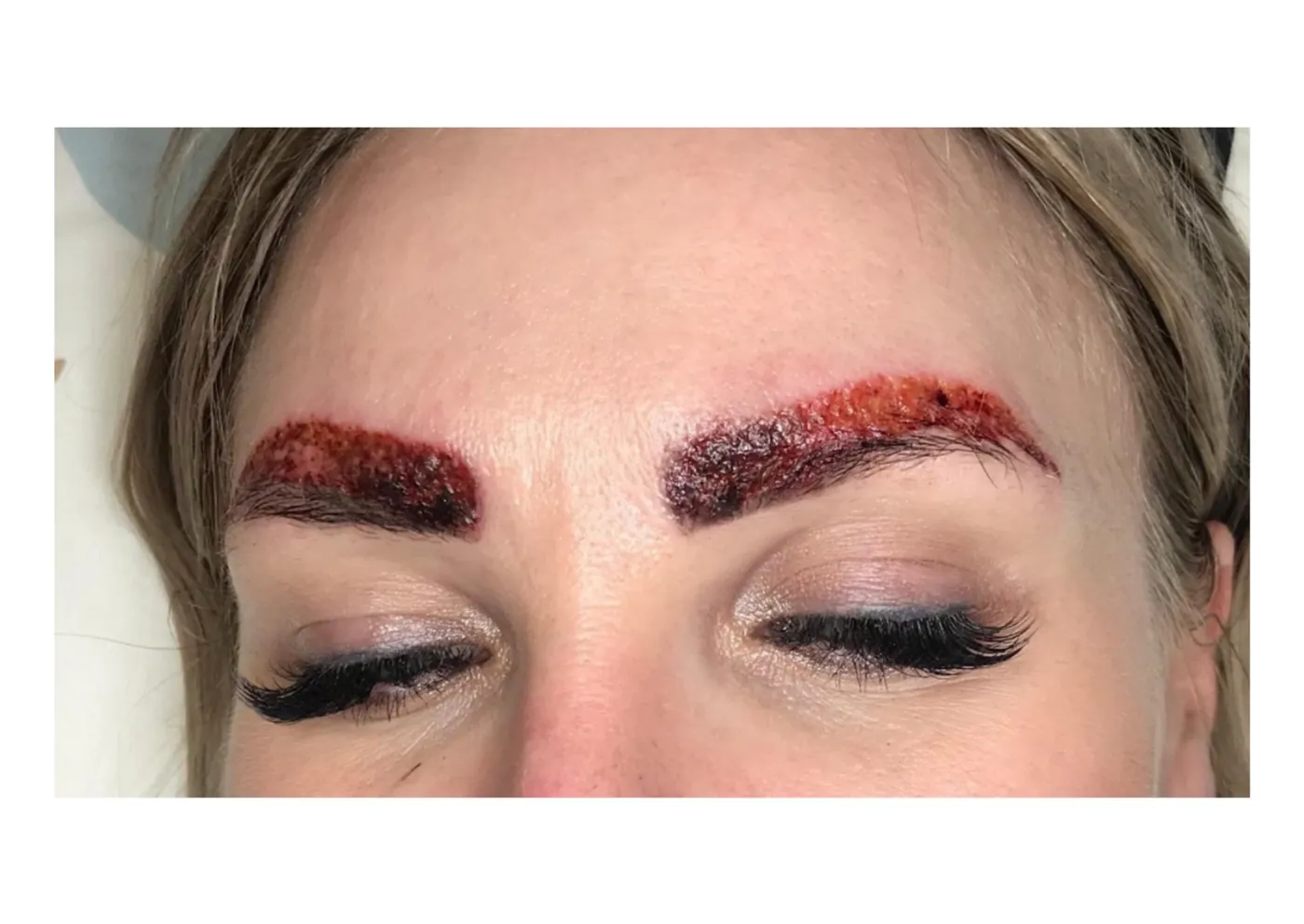
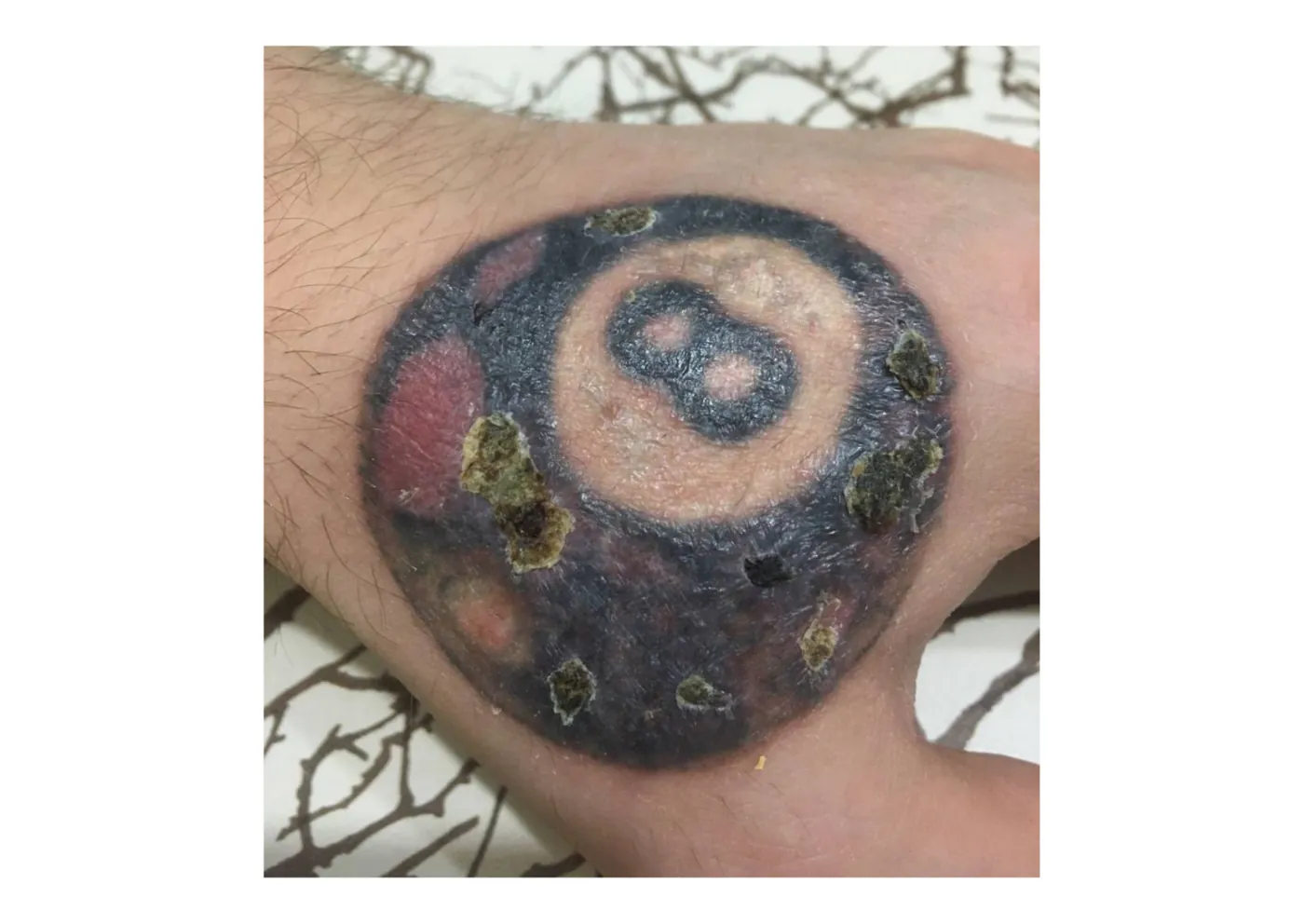
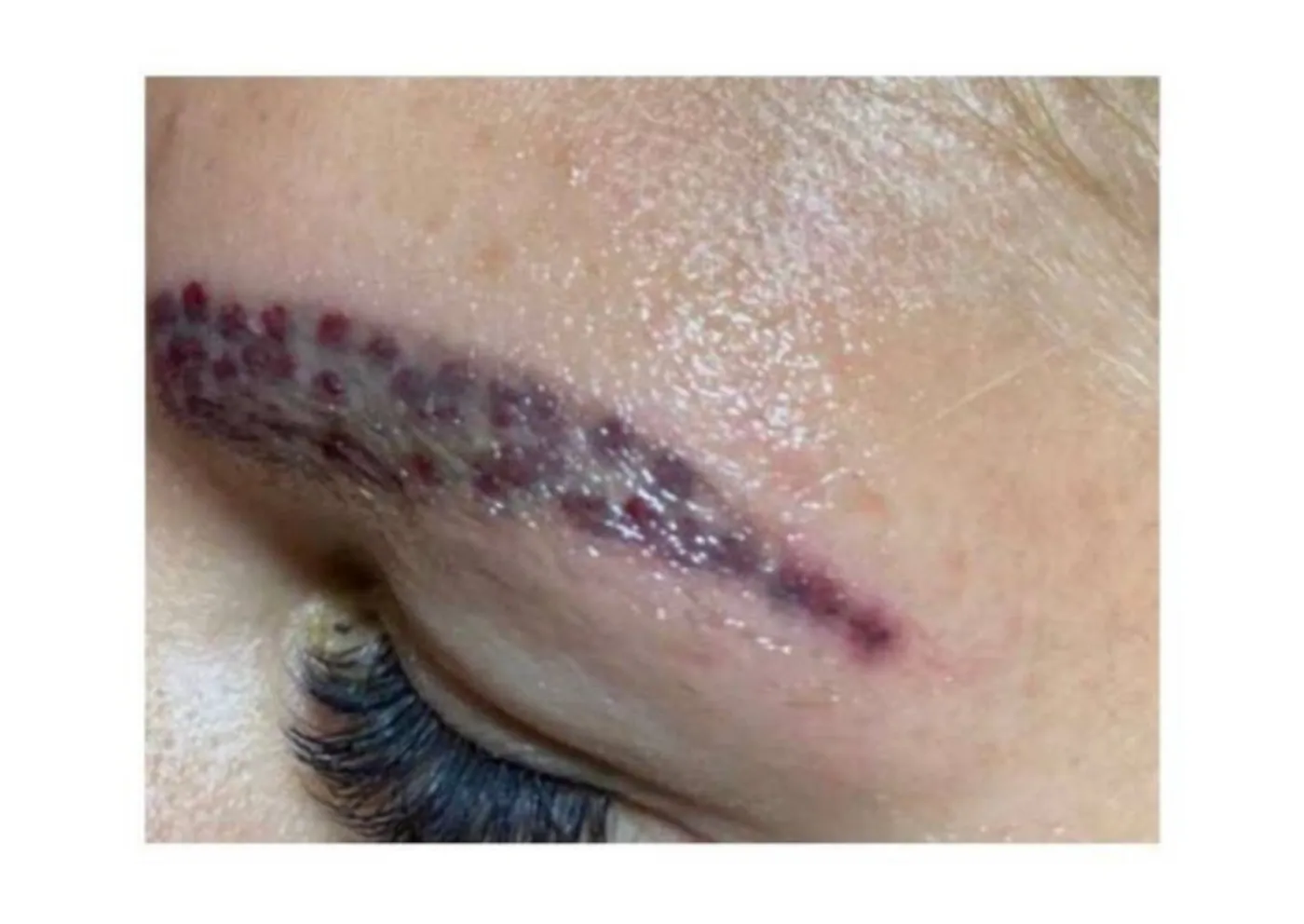
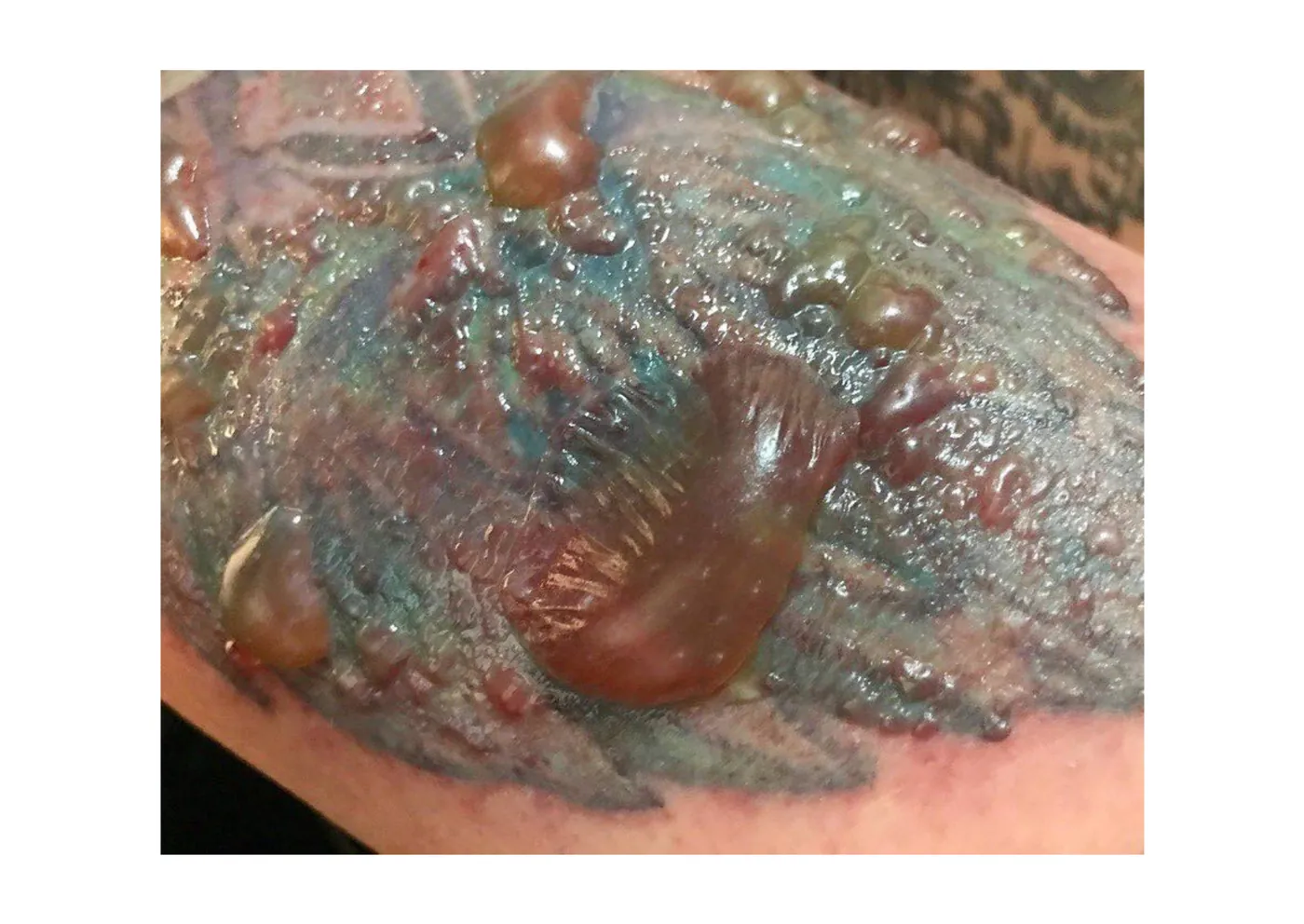
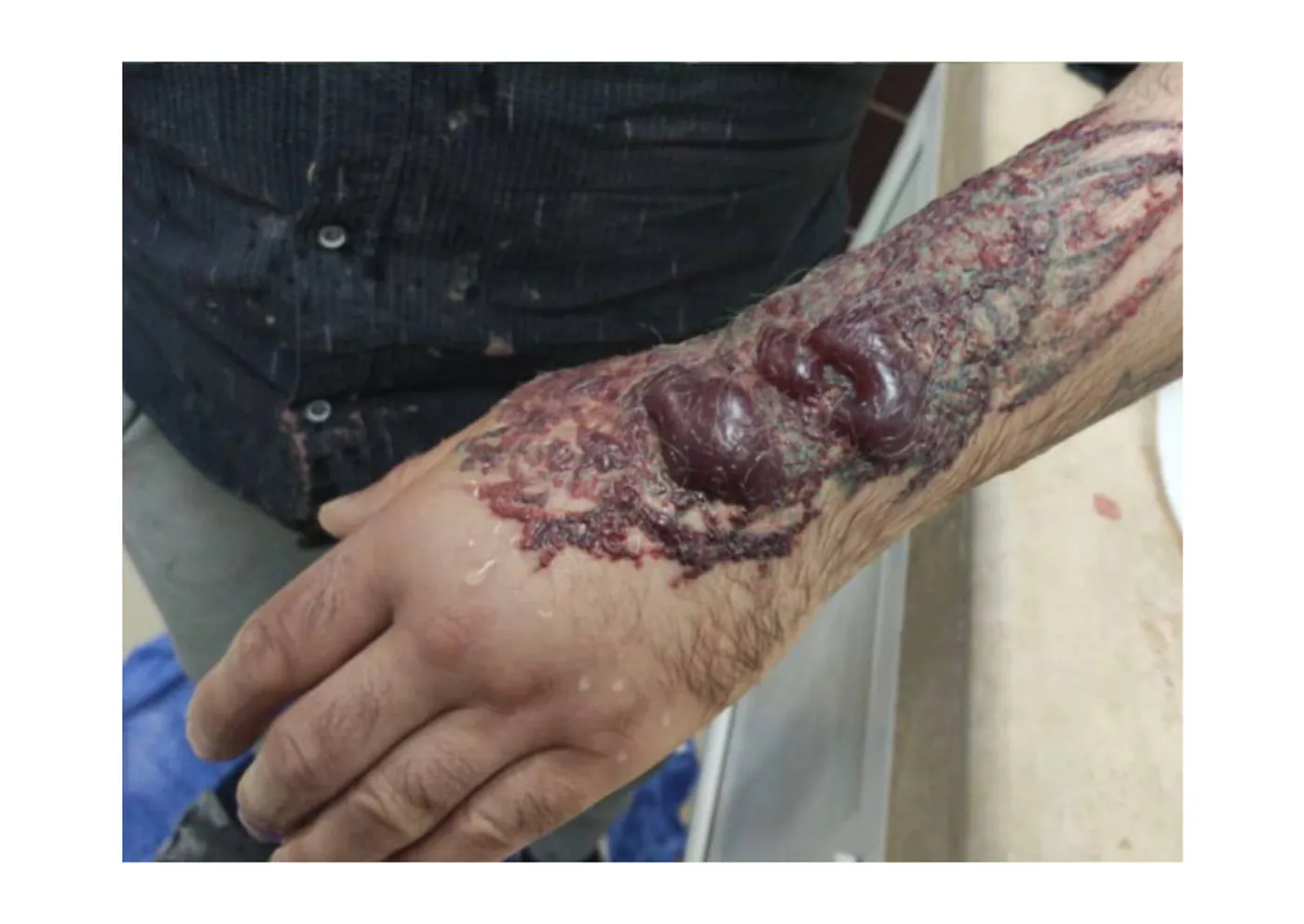
How does that feel? Cold fear? Horror at the client’s threats? Shame at your own mistake? Or all of it at once...
Unfortunately, this is the harsh reality of the laser removal industry. Specialists often face complications without understanding why they happen or how to treat them.
What actually counts as a complication?
A complication in laser removal is a situation that has got out of control: a pathology on top of the acceptable side effects. Complications require intervention and treatment — nothing will just go away on its own!
Complications can be divided into early and late. Early ones include:
-
Injury, direct mechanical damage.
-
Blisters. This is a “delayed” complication: it appears some time after the procedure.
Late complications are neglected early ones:
-
Depigmentation — the skin loses its ability to pigment.
-
Hyperpigmentation — excessive pigmentation of the skin.
-
Formation of scars of varying severity.
-
Rarely: an allergic reaction.
How do you fix complications once they have happened?
Complications can be either reversible or irreversible.
Here is an example of a reversible complication: you caused a severe injury during removal, carried out rehabilitation, and the skin healed.
If you provide adequate treatment in time, you can avoid serious consequences. But if you neglect it, reversible complications will turn into irreversible ones!
Irreversible complications arise from a lack of care and treatment. Most often this means scar formation.
In most cases, complications are the result of inappropriate use of the laser for tattoo and PMU (permanent makeup) removal.
It is important to remember that injuries don’t come out of nowhere: there is always a reason why they occurred.
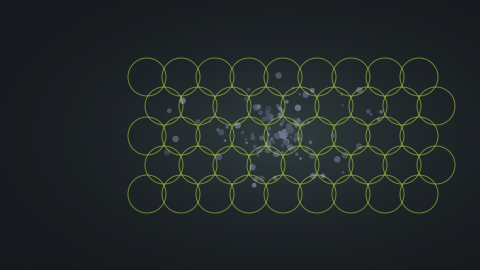
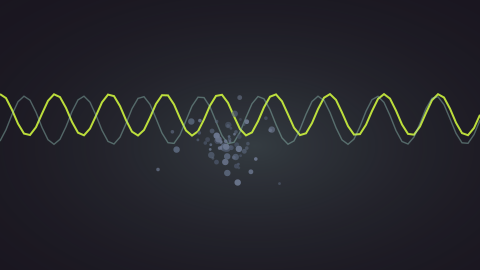
What a pulse does to a pigment particle
Press “Pulse” a few times.
Pigment sits in the dermis as clusters of particles. The body cannot clear them on its own: they are too large.
A simplified scheme: macrophages carry away small fragments, large ones stay and are recaptured by cells — this is why removal takes several sessions.
What factors trigger complications in laser removal?
There are a number of key factors that greatly increase the risk of complications when working on any tattoo!
-
Excessive laser energy in pursuit of results. Specialists often “turn up” the power, thinking it will improve the removal effect. But this increase raises not the effectiveness but the likelihood of complications!
-
A spot size of the laser beam that is too small.
-
Multiple passes over the tattoo. Also from the “the more passes, the better the effect” school of thought. But in laser removal this principle doesn’t work.
-
The specialist failing to give adequate recommendations on rehabilitation and skin aftercare.
Complications can also be triggered by the following factors: a large tattoo area and circumferential treatment (the tattoo is treated all the way around the arm); no recommendations for home rehabilitation; the patient not following the specialist’s instructions.
So how do you avoid traumatic incidents during removal?
First of all, don’t pick up a laser without preparation and training! You can harm clients without even realising it. First you need to gain a system of knowledge for working with an Nd:YAG laser, study all the subtleties of the procedure, and understand skin physiology and pigments.
Choose your training responsibly! Focus on the teacher and their experience, the training facilities and reviews from students.
Once you have completed this stage, don’t buy the first device you come across. Study the laser market and choose a reliable seller or manufacturer. Better still, research this together with your mentor.
And here I will ask you NOT to read the manuals for compact laser devices. They are usually complete nonsense!
And finally: filter the information you see on the internet. The recommendations of “seasoned artists” are not always true. A teacher is not always a qualified and experienced specialist.
Be especially careful with advice in artists’ chats and groups. Trust only verified information!
I hope I have convinced you that working in laser removal without preparation is extremely dangerous. Remember: the key to a successful career as a laser removal specialist is high-quality training.
Frequently asked questions
What causes complications in laser tattoo removal?
The key factors are excessive laser energy, a spot size that is too small, multiple passes over the tattoo and failing to give adequate aftercare recommendations. A large tattoo area, circumferential treatment and the patient not following instructions can also trigger them.
What are the complications of laser tattoo removal?
Early complications include injury (direct mechanical damage) and blisters, which appear some time after the procedure. Late complications are neglected early ones: depigmentation, hyperpigmentation, scars of varying severity and, rarely, an allergic reaction.
Can laser tattoo removal complications be reversed?
Some can: with adequate treatment in time you can avoid serious consequences. If they are neglected, reversible complications turn into irreversible ones, most often scars.