When to judge the results of laser tattoo and PMU removal
When to assess laser tattoo and PMU removal results: why pigment darkens at first, the 6–8 and 10–12 week marks, progress photos and the slowdown at the end.
Assessing the results of laser removal is a question that often raises doubts for artists and clients alike. Inexperienced specialists may worry that the laser has not worked well enough if they do not see any changes straight away. Clients, in turn, do not understand when and how to assess the results properly. In this article we will look at when it really makes sense to take stock and what to expect from the removal process.
The first reaction to the laser
When you carry out laser removal, the client may see an initial reaction, for example:
- Frosting of the skin in the treated area;
- A change in the shade of the pigment (sometimes it looks brighter).
It is important to understand that these are temporary effects. Old tattoos or permanent makeup with bluish, bluish-grey tones in particular may look darker after the first session.
Why does this happen?
- Under the laser, the pigment particles are broken up and redistributed in the dermal layer of the skin.
- No new pigment appears; only the way the colour is perceived changes.
At the next sessions the tattoo or PMU will start to fade, so there is no need to be afraid of these changes. It is a natural process.
When can you take stock?
To assess the results properly, you need to wait a certain amount of time.
- The minimum time before assessing the results is 6–8 weeks after the session.
- The optimal time is 10–12 weeks.
Why does this matter?
- The skin keeps clearing the pigment for several months after the laser.
- If you extend the interval between sessions to 10–12 weeks, the tattoo will fade more and the results will become more visible.
These intervals motivate the client, who sees significant improvement, and strengthen your confidence in the quality of your work.
Why progress photos matter
One of the most common questions clients ask is: "Has anything actually changed?"
The removal process is slow, week after week. The client gets used to the fading tattoo and may not notice the progress. To avoid such situations, always:
-
Take photos before the first session.
-
Record the result after each following treatment.
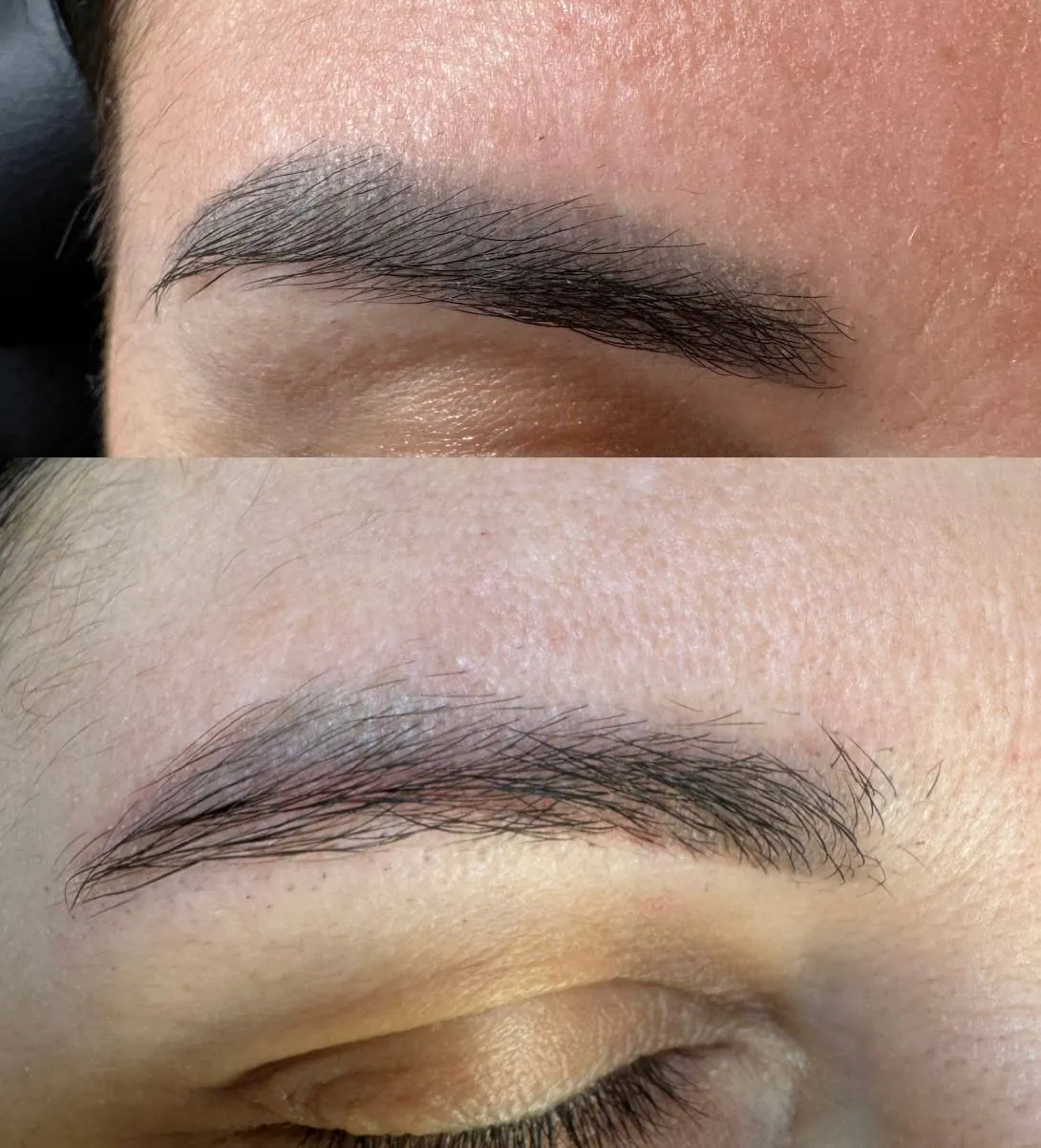
Comparing "before" and "after" photos lets you see the changes clearly, even when they happen gradually.
The process slows down in the final stages
The closer you get to complete removal, the smaller the effect of each session. This is absolutely normal, and clients should be warned about it in advance.
- Fading slows down. With each new session there is less and less pigment left, so the results become less noticeable.
- Make the intervals between sessions longer. In the final stages give the skin more time to recover to achieve better results.
Why shouldn't you rush?
Removing tattoos and PMU is a marathon, not a sprint. Trying to remove everything in 1–2 sessions is a mistake that can lead to scarring.
A gradual approach:
- minimises the risk of injuring the skin;
- ensures even clearance of the pigment;
- preserves the health and appearance of the skin.
Key takeaways
-
Assess removal results no earlier than 6–8 weeks, and preferably after 10–12 weeks.
-
Take photos before and after each session so the progress is easy to see.
-
Bear in mind that changes become less pronounced in the final stages.
-
Patience is your best helper in the removal process.
Remember that quality removal takes time. A gentle pace reduces the risk of complications, but no one can guarantee the result or the absence of scars. Patience and professionalism are the key to success!
Frequently asked questions
When should you judge the results of laser tattoo removal?
The minimum time before assessing the results is 6–8 weeks after the session, and the optimal time is 10–12 weeks. The skin keeps clearing the pigment for several months after the laser.
Does a longer interval between laser tattoo removal sessions help?
If you extend the interval between sessions to 10–12 weeks, the tattoo will fade more and the results will become more visible. In the final stages the intervals should also be made longer to give the skin more time to recover.
Why does fading slow down at the end of laser tattoo removal?
With each new session there is less and less pigment left, so the results become less noticeable. This is absolutely normal, and clients should be warned about it in advance.
Can a tattoo be removed in 1–2 laser sessions?
Trying to remove everything in 1–2 sessions is a mistake that can lead to scarring. A gradual approach minimises the risk of injuring the skin and ensures even clearance of the pigment, but no one can guarantee the result or the absence of scars.
How do you show a client their tattoo removal progress?
Take photos before the first session and record the result after each following treatment. The client gets used to the fading tattoo and may not notice the progress, while comparing before and after photos shows the changes clearly.