Allergy to PMU and tattoo pigments: symptoms and treatment
Allergy to permanent makeup and tattoo ink: how common it is, why red pigment is most often to blame, pre-procedure tests, symptoms, triggers and treatment.
Allergy to permanent makeup (PMU) and tattoo pigments
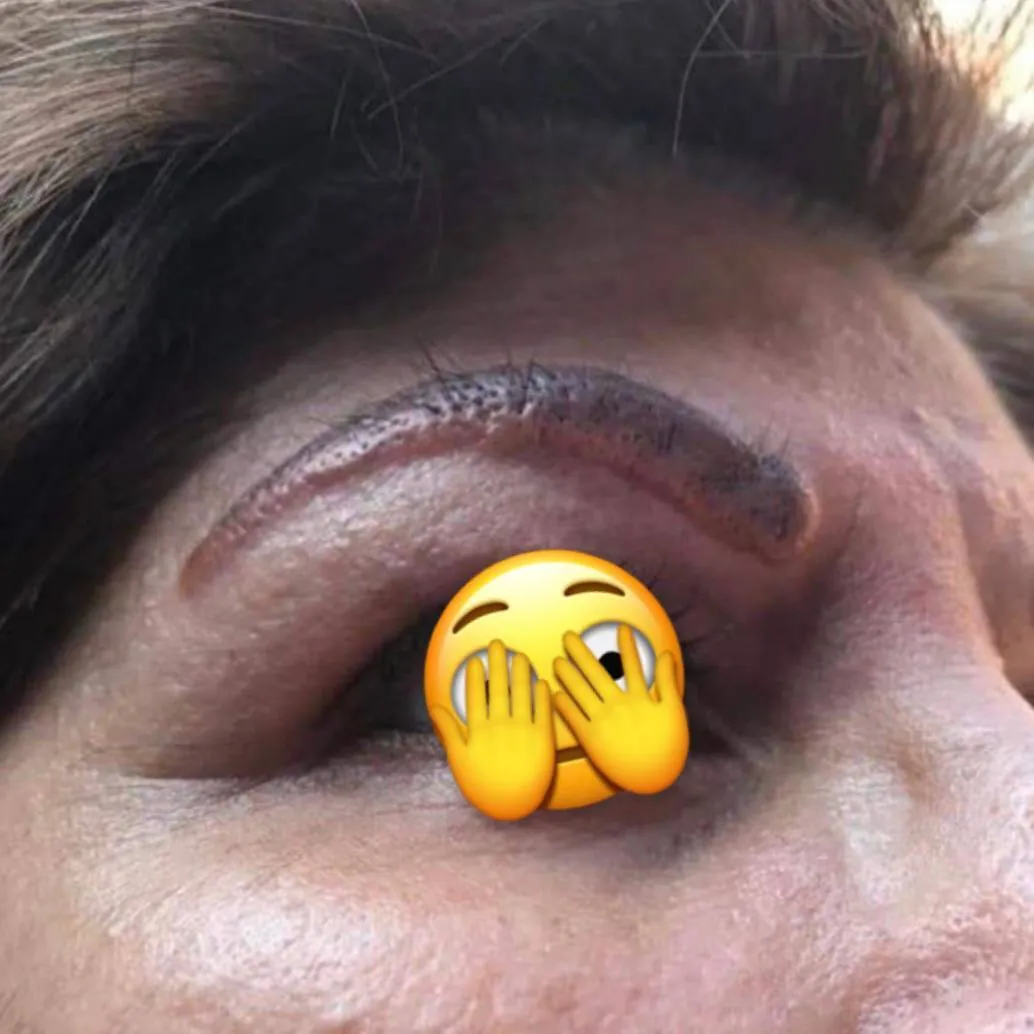
Allergic reactions to PMU and tattoo pigments are extremely rare, but they cannot be ruled out. Knowing the symptoms, causes and treatments of such reactions helps artists spot the problem in time and advise clients professionally.
How common is an allergy to pigments?
An allergy to pigments is an exceptional phenomenon. However, it can be delayed: it may appear weeks, months or even years after the procedure. The reason is that the immune system reacts not to the pigment itself, but to its breakdown products.
Why is an allergy individual?
A reaction to pigments is an interaction between a person's immune system and a specific substance. If one client has had an allergic reaction to a pigment, this does not mean the pigment is dangerous for everyone. It is important to warn the client about the possible risks while keeping a professional approach.
How can an allergy be detected before the procedure?
Although delayed allergic reactions are hard to predict, there are testing methods:
- Patch tests — applying the pigment to the skin.
- Prick tests — introducing a small amount of pigment under the skin.
- Test spots — doing PMU in inconspicuous places.
These tests help detect immediate allergic reactions, but do not rule out reactions appearing in the future.
Why are red pigments most often to blame?
Red pigments, especially organic ones, are highly prone to photochemical breakdown under ultraviolet light. This explains why they are more often linked to allergic reactions.
Symptoms of an allergy to pigments
Allergic reactions vary in severity:
Photodermatitis
- Symptoms: itching, redness, rash.
- Trigger: ultraviolet exposure.
- Treatment: limiting sun exposure, soothing creams.
Lichenoid reaction
- Symptoms: flaking, thin skin.
- Location: most often in areas with red pigment.
- Treatment: corticosteroids, antihistamines.
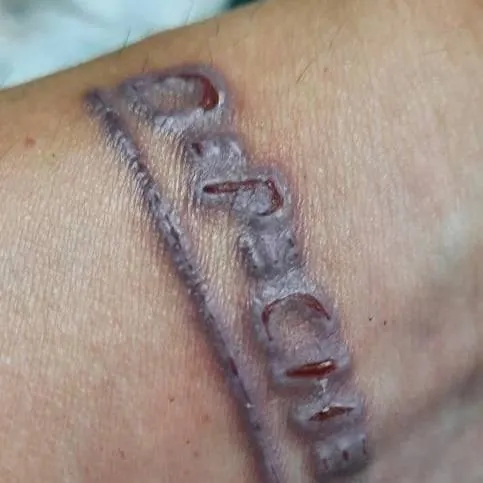
Granulomatous reaction
- Symptoms: scarring, itching, ulcers.
- Treatment: corticosteroid injections, laser removal.
What triggers an allergy?
The main causes of a delayed allergy:
-
Sun exposure — breakdown of the pigment by sunlight.
-
Laser removal — release of pigment breakdown products.
-
Past illnesses — activation of the immune system.
-
Stress — intensification of the allergic reaction.
How is an allergy to pigments treated?
Treatment depends on the severity of the reaction:
- Mild forms: corticosteroid creams, less exposure to triggers.
- Moderate forms: antihistamines, local therapy.
- Severe forms: corticosteroid injections, laser removal of the pigment.
Laser removal as a treatment
Removing the pigment with a laser helps reduce the allergic symptoms, but it requires caution. The first procedures can cause a flare-up, but as the amount of pigment gradually decreases, the condition improves.
Last resort: surgical excision
If other methods do not work, the area of skin can be removed surgically. This method is used in exceptional cases.
Key takeaways
- An allergy to PMU and tattoo pigments is rare, but artists must be prepared for it.
- The greatest risk comes from the breakdown products of red pigments.
- Treatment is chosen individually, from ointments to laser removal.
Knowing these nuances helps artists raise their level of professionalism, spot possible problems in time and advise clients.
Frequently asked questions
How common is an allergy to PMU and tattoo pigments?
An allergy to pigments is an exceptional phenomenon, and such reactions are extremely rare. However, it can be delayed and appear weeks, months or even years after the procedure.
Why is red pigment most often linked to allergic reactions?
Red pigments, especially organic ones, are highly prone to photochemical breakdown under ultraviolet light. This explains why they are more often linked to allergic reactions.
Can you test for a pigment allergy before the procedure?
There are patch tests, prick tests and PMU test spots in inconspicuous places. These tests help detect immediate allergic reactions, but do not rule out reactions appearing in the future.
How is an allergy to PMU or tattoo ink treated?
Treatment depends on the severity: corticosteroid creams and less exposure to triggers for mild forms, antihistamines and local therapy for moderate forms, and corticosteroid injections and laser removal of the pigment for severe forms.
Does laser removal help with a pigment allergy?
Removing the pigment with a laser helps reduce the allergic symptoms, but it requires caution. The first procedures can cause a flare-up, but as the amount of pigment gradually decreases, the condition improves.