Permanent makeup and diabetes: is it safe?
Can you do permanent makeup on a client with diabetes? When it is allowed and when not, what blood sugar is acceptable, what to ask and how to reduce risks.
Very often permanent makeup artists have no medical training and find their way around contraindications on the principle of "I copied it from someone" or "girls, can someone share their client form?". As a result, many artists do not understand why a particular disease is a risk for the client and what consequences may follow the procedure.
Diabetes is one of those diseases. The question comes up regularly in artists' chats:
"Have you ever done PMU on a client with diabetes?"
"Done it a hundred times, everything was fine!"
When I see answers like that, it frightens me. This is not a professional approach. Permanent makeup is not just "drawing on some brows" — it is an invasive procedure, and the client's health must always come first.
What is diabetes and why does it matter for permanent makeup?
Diabetes mellitus is a chronic disease in which the level of glucose in the blood rises because of problems with the production or uptake of insulin.
Insulin is a hormone that helps the body process sugar. When there is not enough of it, or it does not work as it should, glucose builds up in the blood and damages blood vessels, nerves and other organs.
Types of diabetes
Type 1 diabetes
- It usually develops at a young age (before 30).
- The body stops producing insulin because the cells of the pancreas are destroyed.
- These patients depend on insulin for life — they take daily injections.
- Without insulin, blood sugar can become critically high, which leads to serious consequences.
Type 2 diabetes
- It is more common in adults over 40, especially if they are overweight.
- Insulin is produced, but the cells stop responding to it — this is called insulin resistance.
- Patients can control diabetes with diet, physical activity and tablets, but in severe cases insulin may be needed.
- If type 2 diabetes is not treated, it can lead to the same complications as type 1 diabetes.
Main complications of diabetes
The longer blood sugar stays high, the more the organs and tissues are damaged.
- Vascular complications — small and large blood vessels are damaged, which leads to circulation problems.
- Neurological complications — nerves are damaged and sensation is reduced, especially in the feet and hands.
- Eye complications — diabetes can lead to deteriorating vision and even blindness.
- Slower skin regeneration — any wound takes much longer to heal and the risk of infection rises. This is the key complication for a permanent makeup artist.
How is diabetes diagnosed?
Normal fasting glucose — up to 6.1 mmol/L
Diabetes — if fasting glucose is above 7.0 mmol/L
After a meal (2 hours later):
- Normal — up to 7.8 mmol/L
- Diabetes — above 11.1 mmol/L
The diagnosis is made by an endocrinologist on the basis of blood tests.
When PMU is allowed for a client with diabetes and when it is not
The figures above are the thresholds used to make the diagnosis. For deciding on the procedure, something else matters: how well the client keeps their disease under control and how their skin heals.
Allowed, but with caution
✔️ Blood sugar before the procedure — no higher than 8–9 mmol/L.
✔️ No complications of diabetes: with blood vessels, nerves, eyesight or skin.
✔️ Wounds heal normally, there is no chronic inflammation.
✔️ The client watches their diet, takes their medication and monitors their blood sugar.
Not allowed
❌ Blood sugar above this level, frequent spikes, the client does not keep their condition under control.
❌ Wounds heal very slowly, the risk of inflammation and infection is higher.
❌ The client cannot or will not give reliable information about their health.
📌 Permanent makeup is contraindicated for these clients!
Specific risks and rules for working with clients who have diabetes
Take a full medical history before the procedure
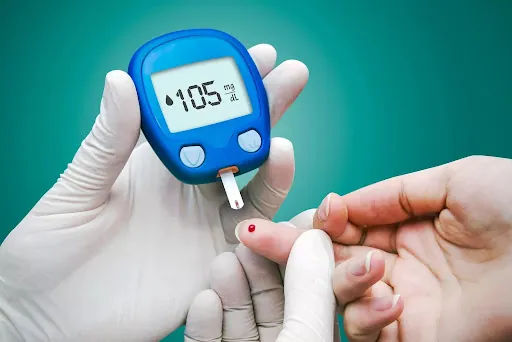
A medical history is the collection of information about the client's health that you need to understand whether the procedure can be done and what risks come with it. Before starting permanent makeup, the artist must question the client carefully and get answers to a few key questions. You need to find out whether the client monitors their blood sugar and what their readings have been over the last few weeks (ideally, measure blood sugar right before the procedure — patients with diabetes usually have a glucose meter), how their wounds heal, and whether they have ever had wounds that took a long time to heal or became inflamed. It is also worth asking how long ago the client was diagnosed with diabetes and whether they have complications such as problems with their blood vessels, eyesight or skin.
On the basis of this information the artist must make a balanced decision. If the client does not know their blood sugar level, does not monitor their condition or cannot answer important questions, that is a risk. If the client deliberately hides their diagnosis, you must not work. If the patient clearly knows the facts about their health and follows their doctor's recommendations, the procedure can be done, but with caution.
How should you work with a client who has diabetes?
If the artist decides to take on a client with diabetes, it is important to keep skin trauma to a minimum. Avoid an aggressive permanent makeup technique and aim for the gentlest possible approach without deep skin damage. Split the procedure into additional touch-ups to reduce the load on the skin, and explain the risks to the client and give clear aftercare instructions.
What happens if you do PMU on a client with uncontrolled diabetes?
If the client has high blood sugar, poor skin regeneration and existing complications, permanent makeup that causes heavy trauma can lead to serious consequences. Micro-injuries may heal slowly (they can take 2–3 times longer to heal), and inflammation and suppuration may develop, because high blood sugar creates a favourable environment for bacteria. Long-lasting scabs may also form because of poor circulation, which will spoil the result. In the worst cases scars and hyperpigmentation are possible, as well as wounds that do not heal.
This is exactly why an artist must never ignore the client's health!
Recommendations for PMU artists
Do not be afraid to ask the client about their health — it is your right to make sure the procedure is safe. At the slightest doubt, refer the client to an endocrinologist for a medical opinion before the procedure. Avoid an aggressive technique: remember that the skin of patients with diabetes heals more slowly. Split the procedure into stages — several gentle touch-ups are better than traumatising the skin all at once. Give the client clear aftercare instructions and explain why monitoring the healing matters so much in their case. If blood sugar is not under control or the client will not give you information about their health, turn the procedure down: it is not only a risk for the client, but also a threat to your reputation if complications occur.
Frequently asked questions
Can you do permanent makeup on a client with diabetes?
Yes, but with caution, if blood sugar before the procedure is no higher than 8–9 mmol/L, there are no complications of diabetes and wounds heal normally. If blood sugar is not under control, wounds heal very slowly or the client will not give reliable information about their health, permanent makeup is contraindicated.
Why is PMU risky with uncontrolled diabetes?
With high blood sugar, poor skin regeneration and existing complications, micro-injuries can take 2–3 times longer to heal, inflammation and suppuration may develop, long-lasting scabs may form, and in the worst cases scars, hyperpigmentation and wounds that do not heal are possible.
What should you ask a client with diabetes before PMU?
Whether they monitor their blood sugar and what their readings have been over the last few weeks (ideally, measure it right before the procedure), how their wounds heal, how long ago they were diagnosed and whether they have complications with their blood vessels, eyesight or skin. If the client deliberately hides their diagnosis, you must not work.
How should you do PMU on a client with diabetes?
Keep skin trauma to a minimum: avoid an aggressive technique and use the gentlest possible approach without deep skin damage. Split the procedure into additional touch-ups, explain the risks, give clear aftercare instructions, and at the slightest doubt refer the client to an endocrinologist.