Chemical removers for PMU removal: myths and reality
Saline, acid and alkaline removers are not magic: they clear PMU through needle trauma and tissue necrosis. Why pH 1–2 or 13–14 is risky and can lead to scars.
Common misconceptions about chemical removers
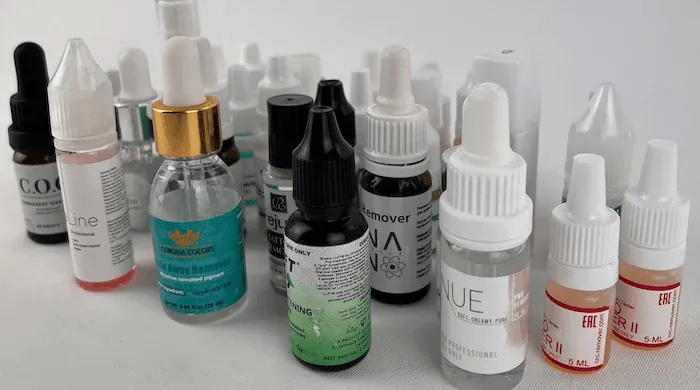
In the world of permanent makeup, the term “chemical removers” sounds beautiful, but what does it actually mean? Chemical removers are not new to the beauty market, but the industry’s attitude towards them is still mysterious. Many permanent makeup artists consider them something magical, able to solve all problems with the removal of failed permanent makeup or tattoos. But it is worth debunking this myth: there is nothing magical about chemical removers. They are aggressive chemical liquids that can be acids, alkalis, or saline solutions that intensify the trauma inflicted by the specialist’s needle.
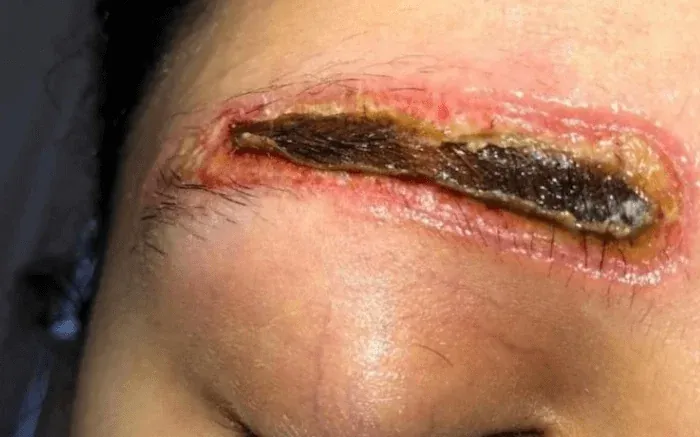
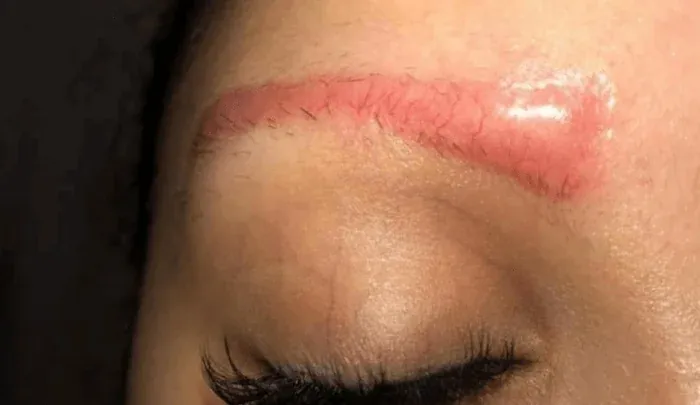
Example of inadequate application of an aggressive chemical remover with skin destruction and scar formation as a result.
Why you need to know a remover’s composition and aggressiveness
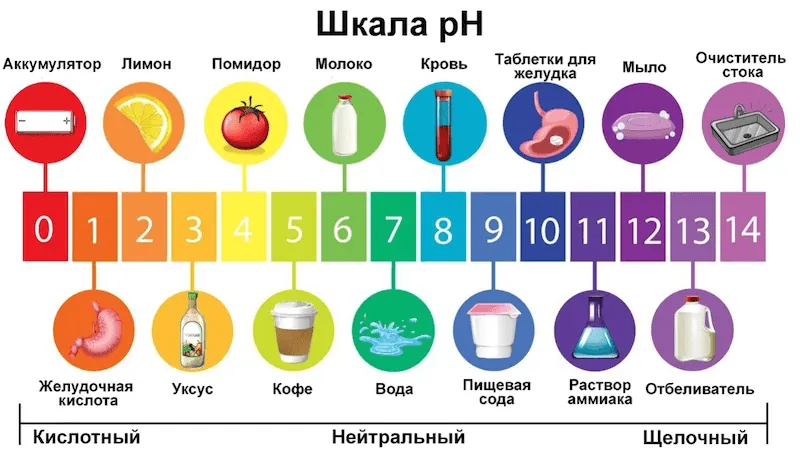
Even within a group, such as acid chemical removers, they vary widely in aggressiveness, acid composition and concentration, and pH level. Many specialists do not even realise what pH level they are working with, which leads to mistakes and serious complications. The situation with alkaline chemical removers is even worse, as they are more difficult to control and can have a pH level of up to 13–14, which is comparable to a drain cleaner. Alkaline chemical removers destroy tissue by causing liquefactive necrosis (tissue death), making it difficult to control the depth and intensity of treatment.
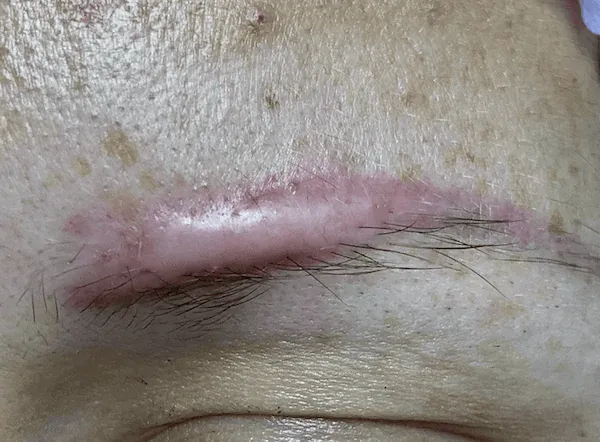
Consequences of improper removal with an aggressive chemical remover.
Conclusion: how to use chemical removers for PMU removal properly
In conclusion, chemical removers are not magic liquids but merely tools to increase trauma to the skin in hopes of removing pigment along with dead tissue and clearing the skin of artificial pigment through an inflammatory immune system response.
I urge all specialists to treat chemical removers with the utmost care, to study their mechanisms of action, and to know their aggressiveness, formulations, concentrations, and pH levels in order to apply them in their practice consciously.
There is another article on this topic: What are chemical removers for permanent makeup removal?
Frequently asked questions
How do chemical removers remove PMU?
Through combined mechanical and chemical trauma: a needle traumatises the skin so the remover can penetrate, the skin is partly destroyed and pigment particles are rejected along with dead tissue. The accompanying inflammation draws immune cells that clear more pigment.
Does saline tattoo removal work the same way?
Saline removers also work by intensifying the trauma inflicted by the needle, but their effect is at the minimal end of the range. The most aggressive are acid removers with pH 1–2 and alkaline removers with pH 13–14.
Why are alkaline removers especially risky?
They are more difficult to control, can have a pH of up to 13–14, comparable to a drain cleaner, and destroy tissue by liquefactive necrosis, which makes the depth and intensity of treatment hard to control.