A new laser tattoo and PMU removal method (experimental)
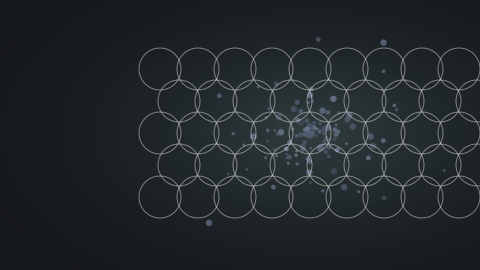
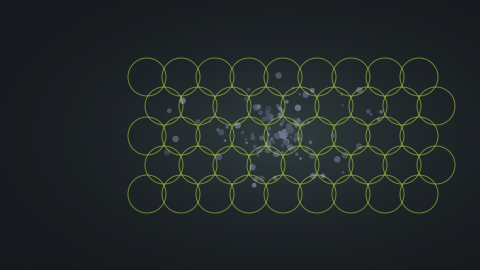
A patented experimental Nd:YAG tattoo removal method: single non-overlapping pulses at 5.5–7.5 J/cm², flat-top beam, 40–50% of the area per session.



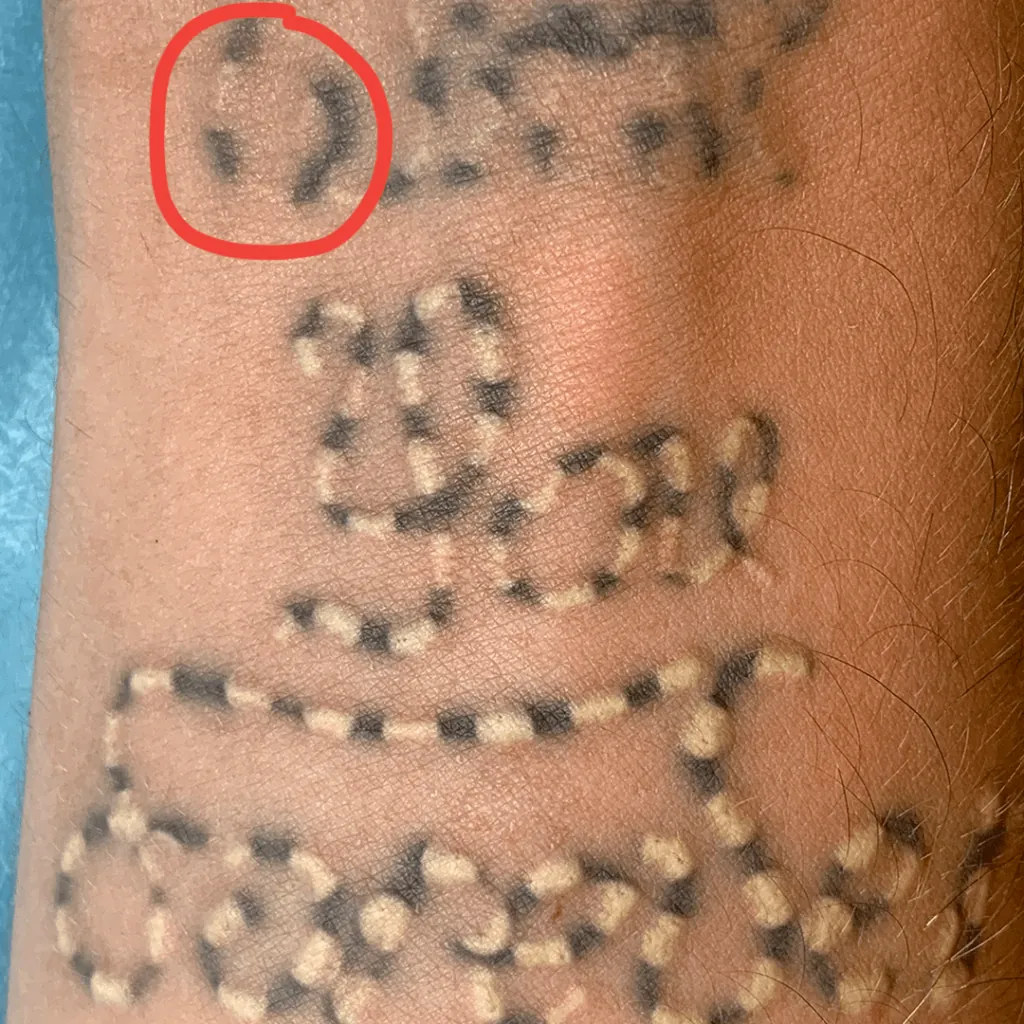
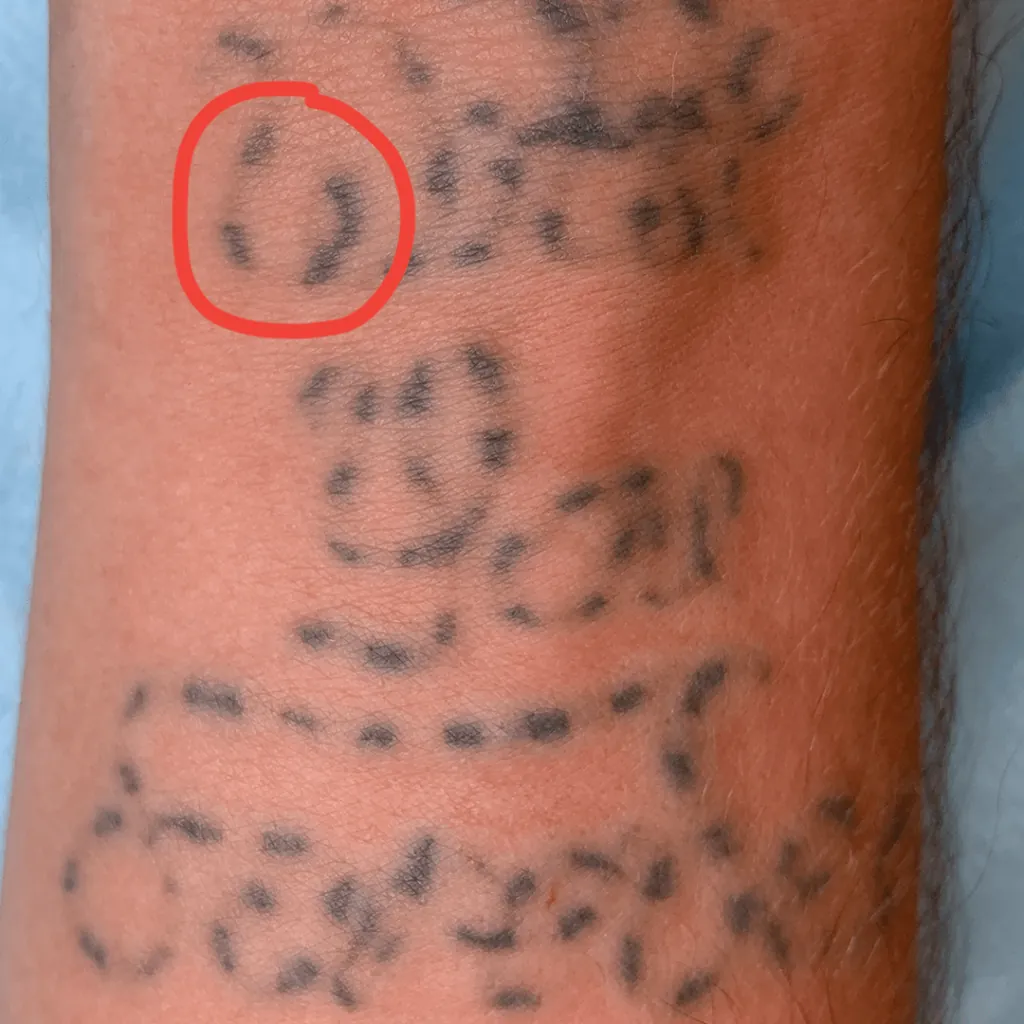
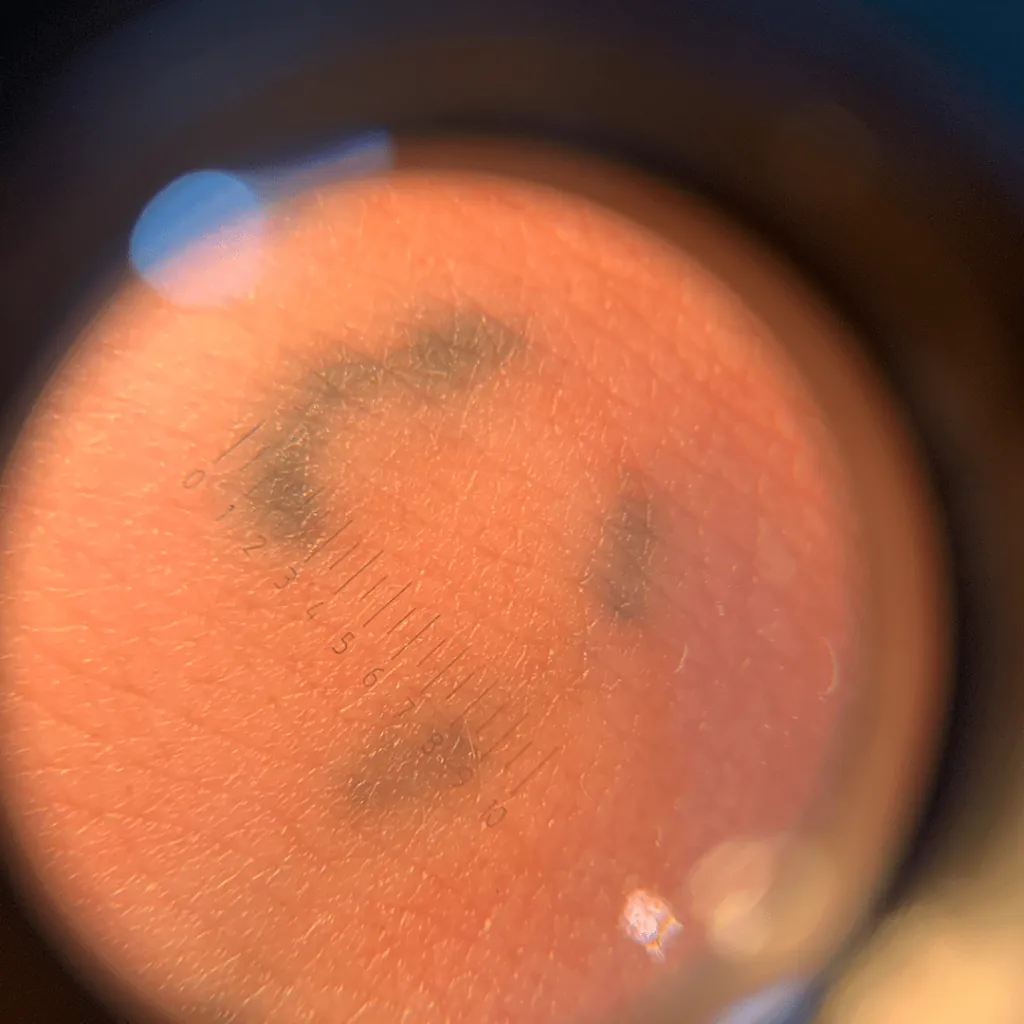
In our observations, this approach avoids the complications associated with using high fluence in the standard technique, where the whole area is treated in one session and laser spots overlap by 15–20% on each pass.
This approach gives several benefits at once:
-
The untreated skin areas between the lasered areas reduce the severity of tissue inflammation caused by mechanical damage to the dermis from fragmented pigment particles, and preserve adequate blood supply and oxygenation of the tissues, which helps lower the risk of complications. The damaging effect of the high pressure that builds up in the tissues when "pseudo-frost" vacuoles form during the laser pulse is also reduced.
-
If complications do occur, small separated areas heal much faster than a single large treated area of tattooed skin.
-
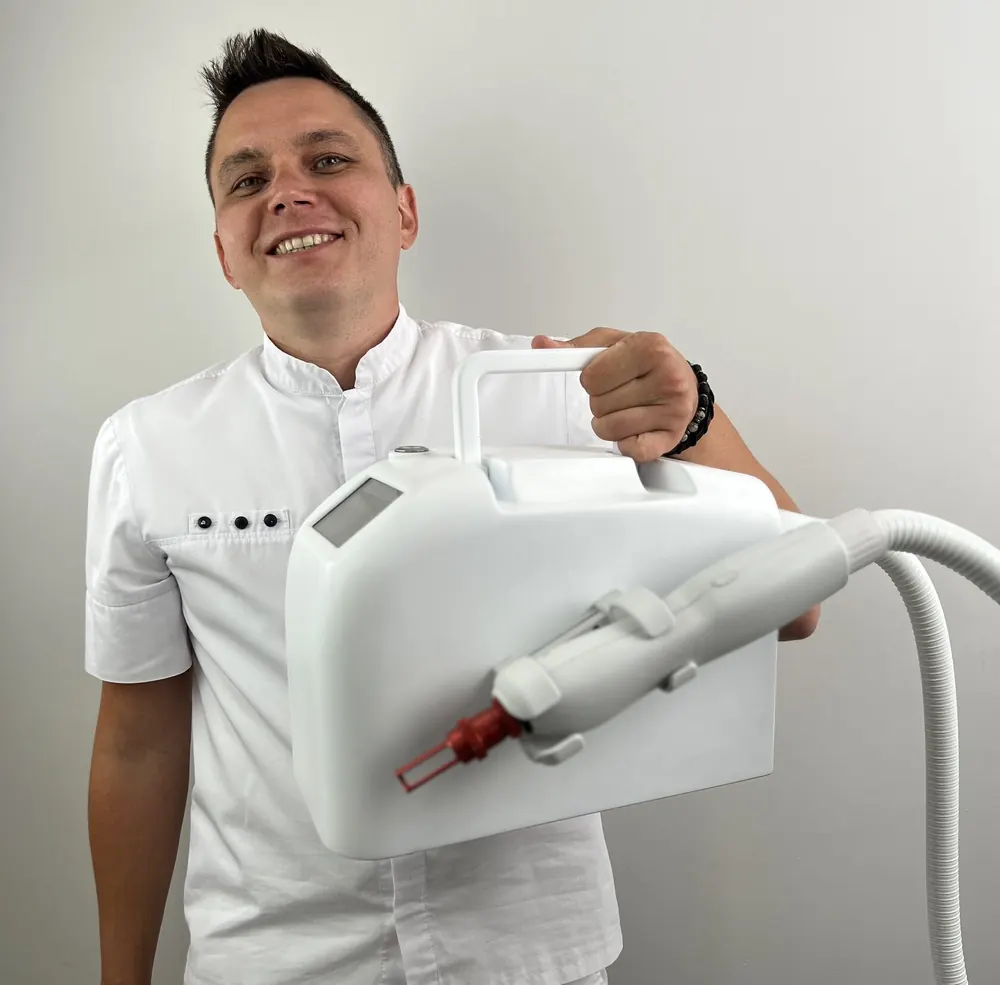
The "side" heat released in the tissues as the pigment is fragmented spreads into the tissue not treated by the laser, and together with contact cooling (cold packs) and an air stream during the procedure (the Zimmer Cryo 6 cryotherapy unit made by Zimmer MedizinSysteme GmbH, Germany, with an air flow of 1,000 l/min at −20 °C), this helps avoid burn complications.
-
The advantages of higher fluences are obvious: in a single exposure they fragment a larger volume of artificial tattoo pigment particles than the standard recommended fluence settings, and they do so more safely. Altogether this can cut the time needed to remove a tattoo by 30–50% compared with traditional techniques, while keeping the procedure safe and free of injury — both mechanical injury during the procedure and thermal injury from tissue overheating.
Please note that this is an experimental method, and the limits of its applicability are still to be determined. So I ask you not to use it unless you are fully aware of the possible risks!
How many sessions will it take?
A quick estimate on the Kirby-Desai scale — for tattoos.
10 sessions, approximately
A rough estimate. More on the Kirby-Desai scale page.
Frequently asked questions
What fluence does the new tattoo removal method use?
From 5.5 to 7.5 J/cm², while the traditional recommendation for the first sessions is 1.5–2.5 J/cm², with beam diameters of 5, 4 and 3 mm. The method is experimental, and the limits of its applicability are still to be determined.
What laser is needed for the new method?
A high-quality Q-switched Nd:YAG laser with a flat-top beam profile that works in single-pulse mode. Inexpensive compact lasers usually work in burst mode, cannot reach the high peak energy needed and carry a significantly higher risk of complications.
How long between treatments with the new method?
About 40–50% of the tattoo area is treated in one session; the remaining areas are treated no earlier than 48 hours later, ideally 5–7 days after the first treatment, so that the inflammation can calm down.