Does a laser “bake” tattoo and PMU pigment into the skin?
A laser does not “bake” tattoo or PMU pigment into skin. What really slows clearance — scarred dermis or a weak laser — and when a picosecond laser is needed.
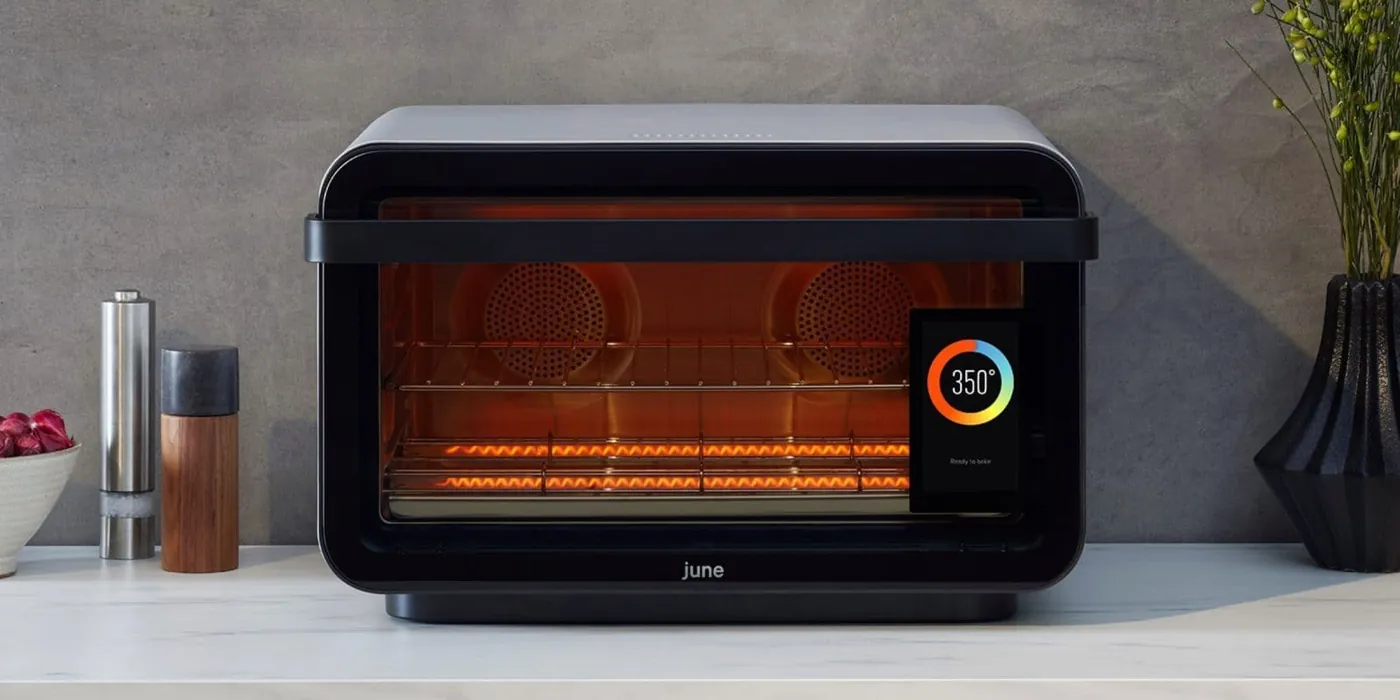
Take 910.8 mg of pigment. Place it on a dish lined with baking parchment. Wait until the pigment spreads out evenly.
Once the pigment has spread out, put the dish in an oven preheated to 180 °C for 60 nanoseconds and cook until done. Serve with chopped herbs and a sauce of your choice!
Absurd? I think so too.
How many times have you been asked about pigment “baking” in the skin after laser treatment? How many times have you looked for the answer to this question yourself? And most importantly, how do you imagine this process?
And now it is time to say goodbye to illusions: there is no such thing as pigment “baking”, “fusing” or “sealing” in the skin!

Pigment particles do not melt, and they do not gather into large conglomerates like the T-1000 Terminator (incidentally, that would actually make the pigment easier to remove).
Perhaps at some point someone used this figurative comparison to simplify an explanation, but now I keep running into people who take the words “baking” and “fusing” literally.
People used to explain lightning in the sky as Zeus's spears because they did not know about electricity. But we live in the 21st century. Information is extremely accessible, and it takes minimal effort to understand almost any question.
I will repeat it once more: there is no “baking”, “fusing” or “sealing”. There is traumatic laser exposure that damages the skin, with or without burns, which leads to severe changes in the structure of the dermis and to scar formation and, in the end, makes it harder to remove the pigment from the skin.
If the skin was injured during previous PMU or tattoo removal procedures, or was already traumatised while the tattoo was being applied, such skin differs from normal skin: the ratio of the dermal layers is disrupted, the collagen fibres are packed more densely, and the angioarchitecture of the vascular plexuses is altered.
All of this changes the physiology of that area of skin and, in the end, slows down skin clearance even after correctly performed procedures.
The second explanation for slower clearance is that the equipment and the laser beam are not good enough to break up the pigment effectively at the later stages of clearance.
If there are no physiological reasons related to the structure and physiology of the skin, the cause should be sought in a mismatch between the technical capabilities of the laser system and the task.
From session to session, ever smaller pigment particles remain in the skin compared with the starting point, and each subsequent session requires ever greater peak power to break them up properly!
At first, simply increasing the pulse energy and the fluence (energy density) is enough, but beyond a certain point, if the laser is weak, it simply does not have the technical capability to break up the pigment, and its effect on clearance will be minimal.
In this situation it is worth referring the patient to a clinic or centre with higher-class laser equipment to complete the process successfully. For especially stubborn cases there are picosecond lasers with even greater peak pulse power.
What a pulse does to a pigment particle
Press “Pulse” a few times.
Pigment sits in the dermis as clusters of particles. The body cannot clear them on its own: they are too large.
A simplified scheme: macrophages carry away small fragments, large ones stay and are recaptured by cells — this is why removal takes several sessions.
Frequently asked questions
Does a laser bake tattoo pigment into the skin?
No. There is no pigment baking, fusing or sealing in the skin. What exists is traumatic laser exposure that damages the dermis, leads to scarring and in the end makes the pigment harder to remove.
Why does a tattoo stop fading after several laser sessions?
Either the skin was scarred by previous procedures, which slows clearance even after correct treatment, or the laser is too weak: each session leaves smaller particles that need ever greater peak power. Then it is worth referring the patient to a clinic with higher-class equipment; for especially stubborn cases there are picosecond lasers.