Vitiligo: what causes it and is it dangerous?
Vitiligo explained for PMU artists: why melanocytes are lost and light patches appear, suspected causes, how common it is and whether it is dangerous.

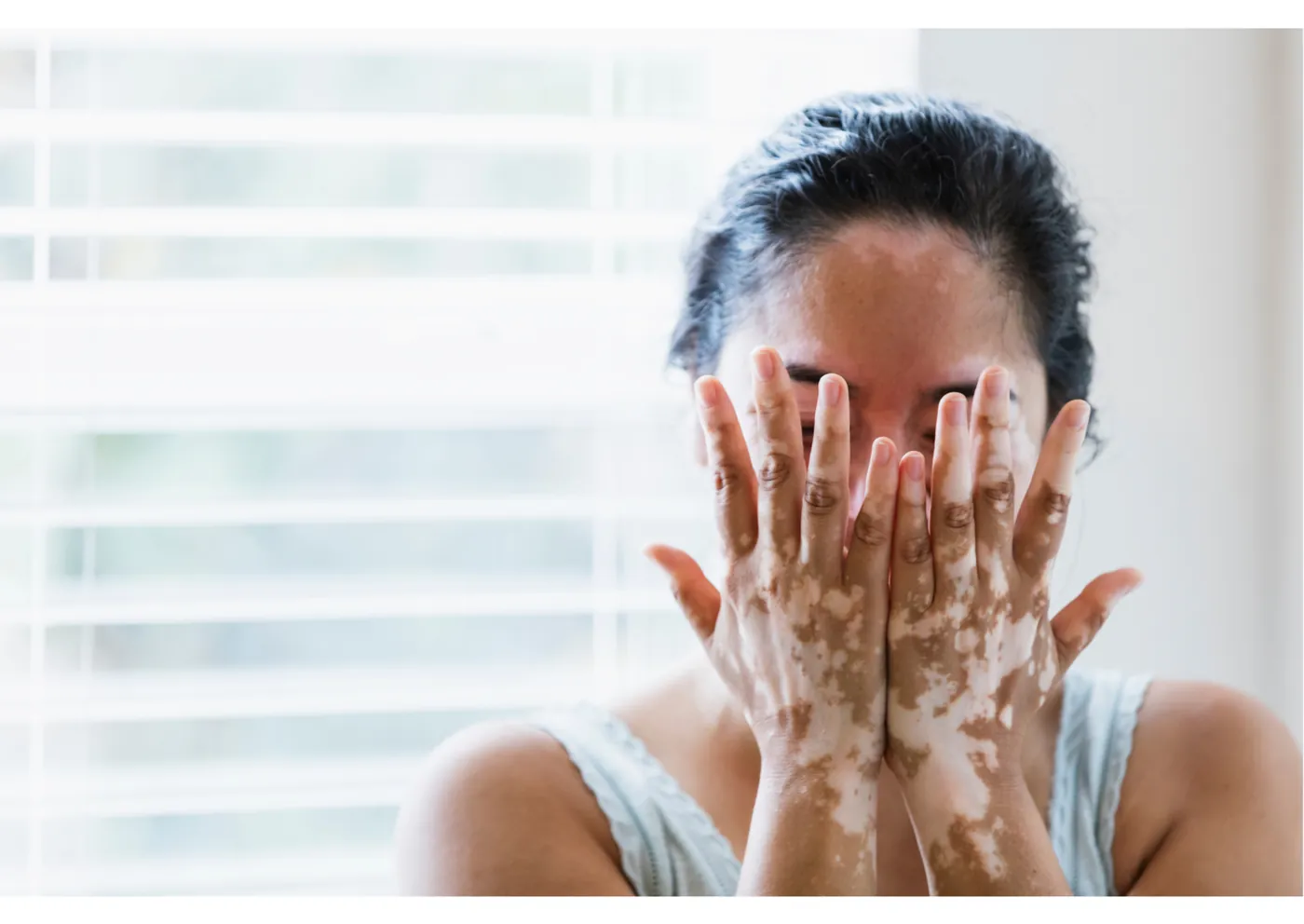
I first learned about vitiligo at medical school.
We did not go deeply into its aetiology or other details, and the textbooks limited themselves to the phrase "the causes are unknown, treatment is of limited effectiveness".
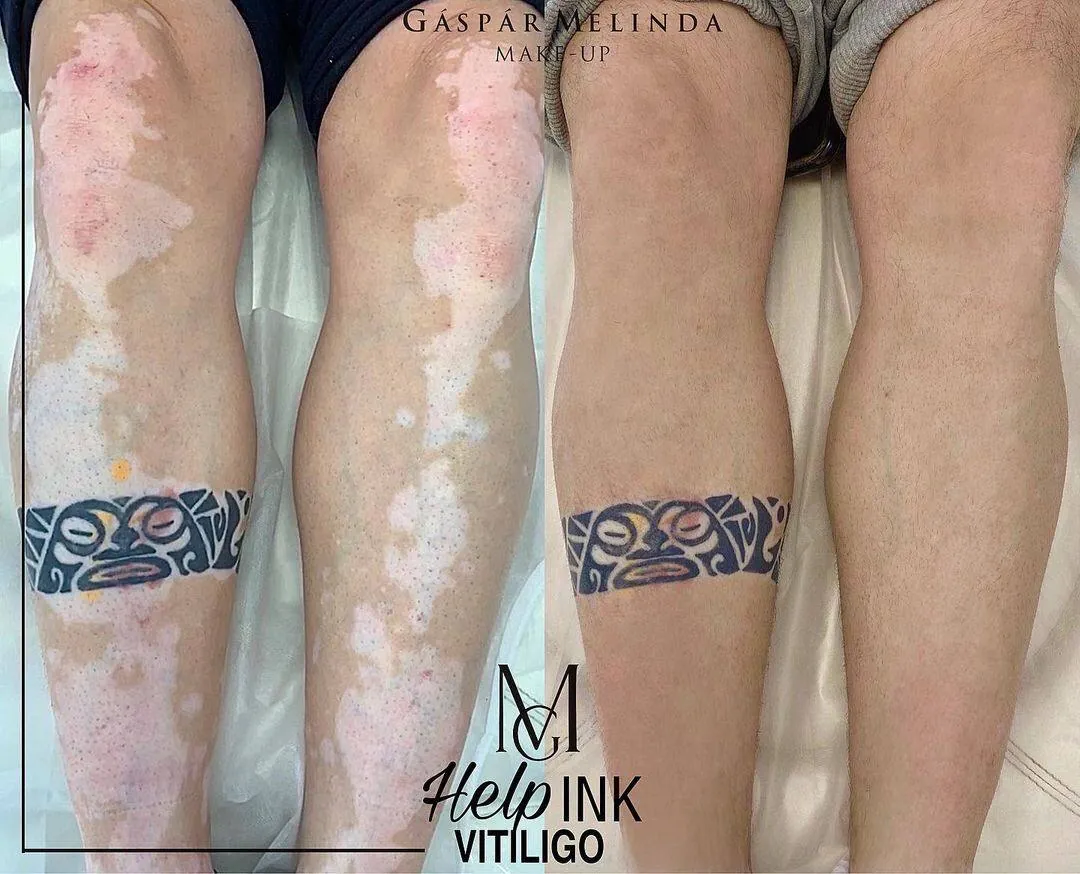
Many years later, scrolling through my Facebook feed, I came across a post by @gasparmelinda.pmu showing camouflage of vitiligo patches. And I decided to study this condition thoroughly!
By the way, here is that very photo:
What is this condition? What causes it?
Vitiligo is a disorder of skin pigmentation in which light patches form on the hands, the face or the whole body. The condition arises because the number of melanocytes in the affected areas decreases.
Melanocytes are located in the surface layer of the skin and are responsible for producing the dark pigment melanin and passing it on to other cells. When this happens, the skin becomes tanned!
Logically, without melanocytes the skin cells will not receive melanin, and depigmentation occurs.
I should note that vitiligo is not contagious and is chronic in nature, driven by internal causes.
It is impossible to say exactly what triggers the death of melanocytes, but there are a number of hypotheses. The condition may be caused by…
Autoimmune problems
- For a number of reasons, melanin is destroyed by the body's own defence cells.
Genetic factors
- Vitiligo is often seen in the children and grandchildren of people who had the condition.
Trophic changes in the skin
- For example, various skin injuries: cuts, scars, burns. Contact with chemicals and long exposure to the sun can also trigger an inflammatory process. As a result, the melanocytes begin to be destroyed.
Stress and severe emotional strain
Is vitiligo dangerous? And how common is it?
I should note that vitiligo is not contagious and is chronic in nature.
Although the condition has been known since ancient times, vitiligo only began to be considered a separate disease in the 19th century; before that it was confused with leprosy!
According to WHO statistics, 1% of the world's population has this condition, mainly people with dark skin.
The first signs of vitiligo often appear between the ages of 10 and 30.
The danger of this condition has not been proven; for the patient it causes mainly psychological discomfort. People around them react warily to someone with pronounced pigmentation changes (and sometimes are openly frightened).
Fortunately, people with vitiligo now face less and less discrimination! They appear on magazine covers and build successful careers in the fashion world :)
Frequently asked questions
What causes vitiligo?
Vitiligo develops when the number of melanocytes in the affected areas decreases, so skin cells stop receiving melanin. The exact trigger is unknown; hypotheses include autoimmune problems, genetic factors, skin injuries, chemicals or long sun exposure, and stress.
Is vitiligo contagious or dangerous?
Vitiligo is not contagious and is chronic in nature. Its danger has not been proven; for the patient it causes mainly psychological discomfort.