How to care for scars so they mature smooth
Scar care after laser removal or an injury: why to start once the scabs fall off, rest and silicone, ultrasound massage with gels, and how long to keep going.
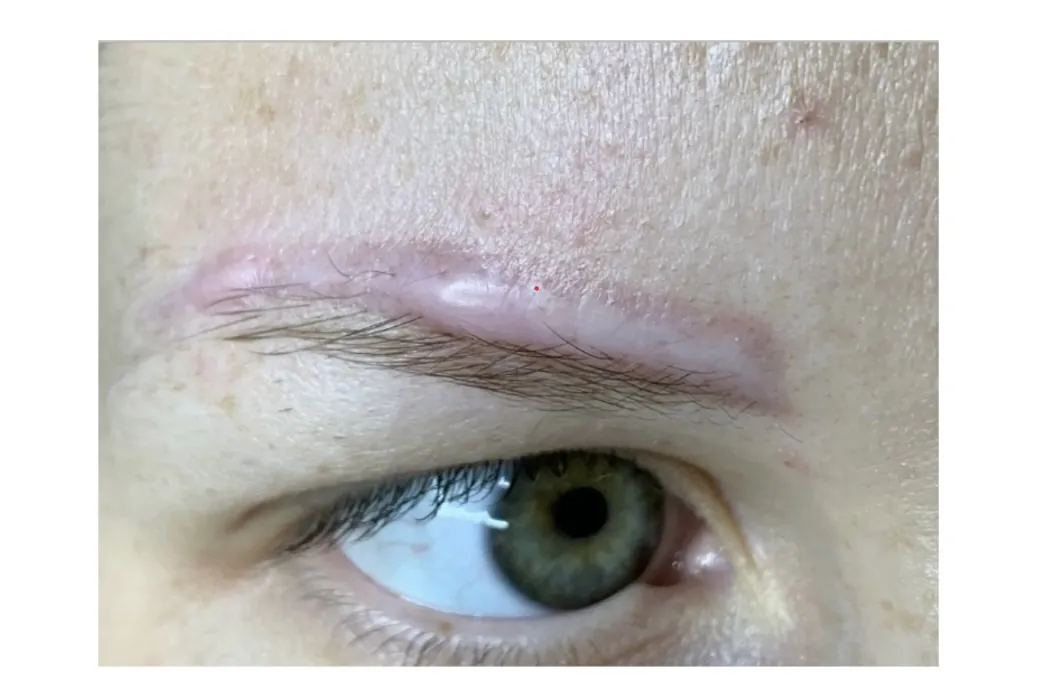
In this article I will not go into the causes of the skin trauma that led to the scar, because they do not really matter. The physiological mechanisms of skin repair and scar formation are essentially universal. Whether it is laser removal, an ordinary surgical operation, or an accidental mechanical or thermal injury to the skin, the result is the same: a high risk of rough, unsightly scars.
Busting myths about scar care
There is a myth that scars do not need any care, and that later, once they have fully matured, they can be resurfaced with a fractional laser.
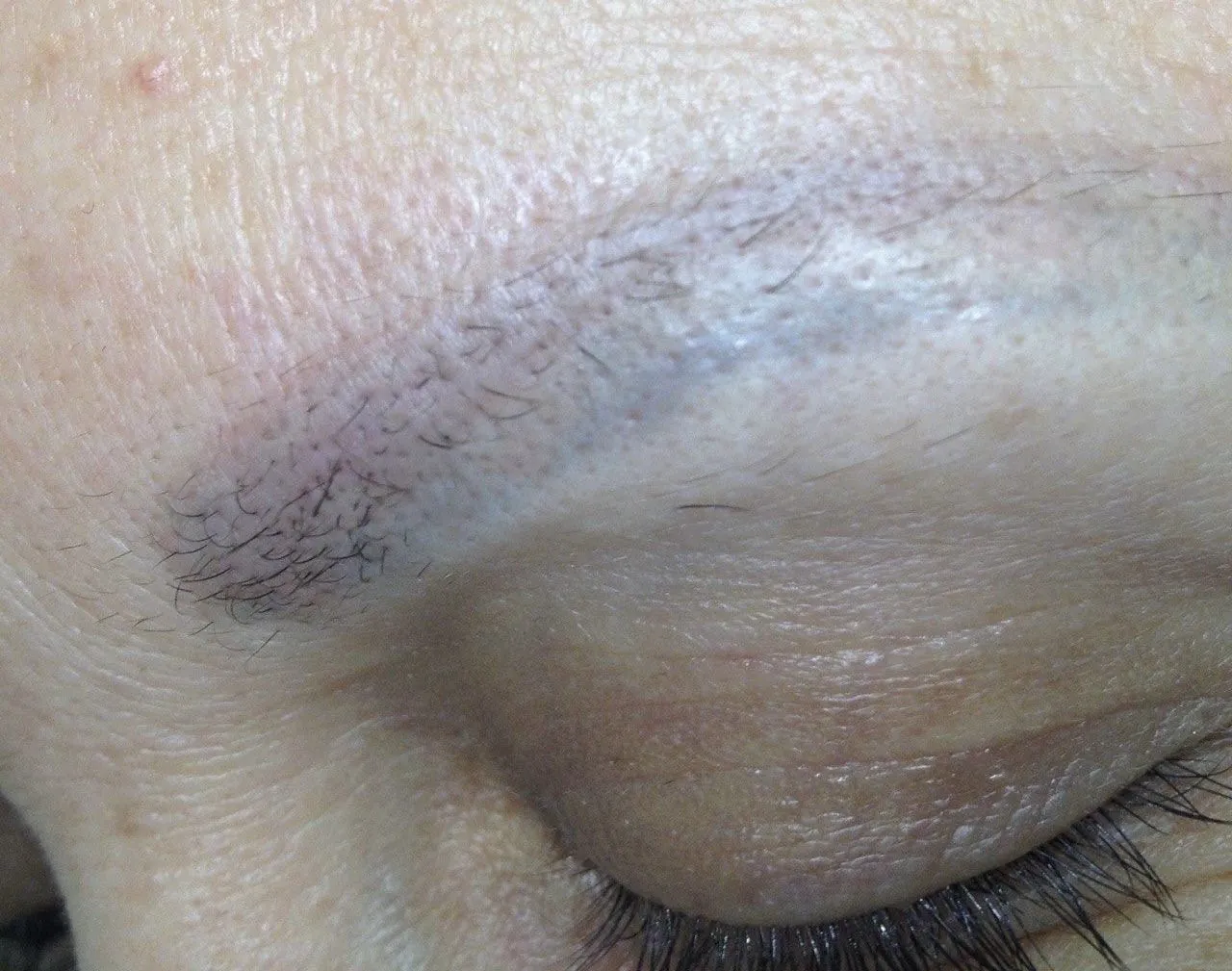
This is not true. A scar needs care from the moment the epidermis has recovered, that is, after the scabs have come off the surface of the wound. At this point the scar will look bright red, sometimes burgundy. This means that remodelling and the formation of scar tissue are in full swing inside it. Fibroblasts are hard at work there, synthesising and breaking down collagen. At this moment any external influence has either a positive or a negative effect on how the scar forms.
What has a positive effect? What will make the scar mature smooth, as even as possible and, if possible, barely noticeable? That is exactly what we will be aiming for with all the recommendations in this article.
Why do scars need rest?
It is very important for a scar to be left at rest, so that nothing irritates it. That means no rough clothing, no rough handling, friction, injury and so on. The scar should also not be overstretched or put under strong pressure. All these factors will increase collagen synthesis and make the scar bigger. So for the scar to mature as smooth and even as possible and not stand out much, you need to keep it at rest as much as possible.
If the scar is in an area rubbed by clothing or straps, or is exposed to the outside world in some other way, it is best to use special silicone sheets that pharmaceutical companies make to protect scars. It is best to use them for the whole period while the scar matures and for the whole time it is in contact with clothing or anything that rubs. Silicone patches are made by various manufacturers, which does not really matter — the silicone keeps the surface of the scar at rest.
Ultrasound massage and special scar care products
We are looking at recommendations for home use — things any patient can do at home. I recommend using scar care ointments such as Kelo-Cote, Mederma, Imoferase and others, but applying them with an ultrasonic massager. It is a simple device that you can buy on any online marketplace. It looks like a TV remote with a small round metal plate on one end.
Sometimes it also has LED light, which is good too, because red light boosts regeneration and generally has a beneficial effect on scar formation. You can buy a device like this, apply the scar care product in a thin layer and massage it in with the ultrasonic massager every day for 5–10 minutes. The micromassage and the effect of the ultrasound on the gel improve blood flow and help the active ingredients of the gel penetrate deeper into the structure of the scar, which helps the scar mature in a more aesthetic way.
How long should you care for a scar?
It is very important that a regular procedure like massage with special scar gels is continued for a long time. The sign that you can stop is that the scar has fully matured, that is, it has become pale. As long as the scar is deep red or burgundy, or even pale pink, it is still actively remodelling, and that is exactly when you need to influence how it matures. Once it has matured and turned whitish, this kind of treatment will no longer be effective.
Scars usually take several months to mature, and you need to care for them carefully for all those months. You will not see instant changes, but overall, with this kind of care the scar will mature as smooth, even and aesthetic as possible. And you may not need any laser correction or surgery after it has matured.
Frequently asked questions
When should you start caring for a scar after laser removal or an injury?
From the moment the epidermis has recovered, that is, after the scabs have come off the surface of the wound. At this point the scar is bright red, sometimes burgundy, and remodelling is in full swing, so any external influence affects how it forms.
Do you need silicone sheets for a scar?
If the scar is in an area rubbed by clothing or straps, or is exposed to the outside world in some other way, it is best to use special silicone sheets for the whole period while it matures. The manufacturer does not really matter: the silicone keeps the surface of the scar at rest.
How do you use an ultrasonic massager on a scar?
Apply a scar care product (Kelo-Cote, Mederma, Imoferase and others) in a thin layer and massage it in with the ultrasonic massager every day for 5–10 minutes. This improves blood flow and helps the active ingredients of the gel penetrate deeper into the scar.
How long should you care for a scar?
Until it has fully matured and become pale: while it is deep red, burgundy or even pale pink, it is still actively remodelling. Scars usually take several months to mature, and once a scar has turned whitish this kind of treatment is no longer effective.